Lighting
Lighting control: plan the experience, then the switches
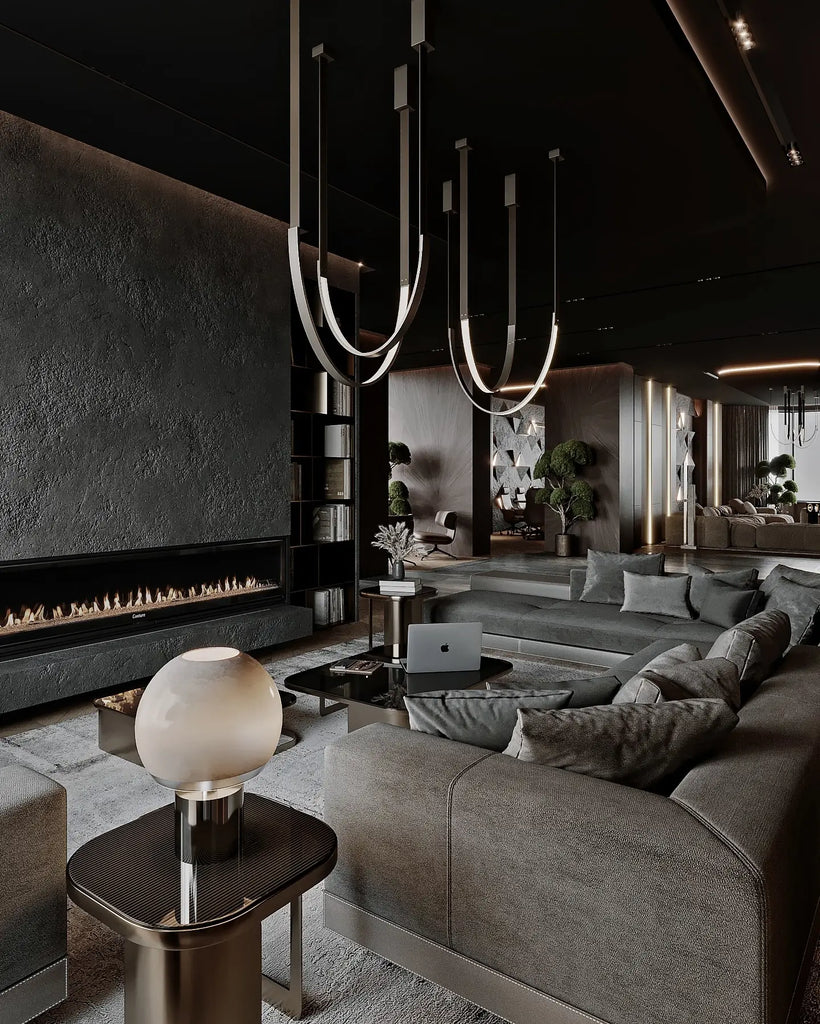
Lighting control begins with deciding how a room should feel and function throughout the day. Fixtures create the light; controls make that light useful. Planning both together helps the design team resolve brightness, wall controls, and everyday operation as one experience.
Think in scenes, not individual switches
A lighting scene recalls a planned combination of light levels. In a kitchen, preparing food and sitting down for a late dinner may call for different combinations of task, accent, and general lighting. The useful question is what you want to do, then which lights support it.
Start with a small set of recognizable activities. Names such as Cooking, Dinner, and Evening are easier to discuss with your household than a long list of circuit numbers. Refine the levels in the finished room, where surfaces and furniture affect the result.
Keep everyday wall controls understandable
Consider what someone should be able to do when entering each room. Physical controls need deliberate locations, clear labels, and sensible behavior. An app can provide additional options, but daily use should be discussed with the people who will actually live with the system.
Coordinate keypad and switch placement with door swings, cabinetry, trim, and other wall devices. Review finishes alongside the interior palette. These are small details on a plan that become prominent in a completed room.
Confirm fixtures and controls work together
Do not assume every dimmable fixture works with every control. The fixture, driver, dimming method, and control system need to be reviewed together. Ask the team to verify compatibility and, where appropriate, demonstrate a sample before repeating a detail throughout the property.
The electrician, lighting designer, and technology integrator should agree on circuit grouping, control locations, and responsibility for final setup. For an existing home, the available wiring and access may influence the approach. Those conditions need a site review before a solution is selected.
Coordinate lighting with the rest of the room
Shades, daylight, television viewing, and room routines can all influence lighting decisions. Discuss whether these should operate together and what manual control should remain available. Begin with useful everyday actions, then add complexity only when it serves a clear purpose.
A lighting consultation with 360Haus can start with a floor plan, fixture schedule, and a description of your routines. The aim is to give the design and installation teams a shared picture of how the finished space should work.